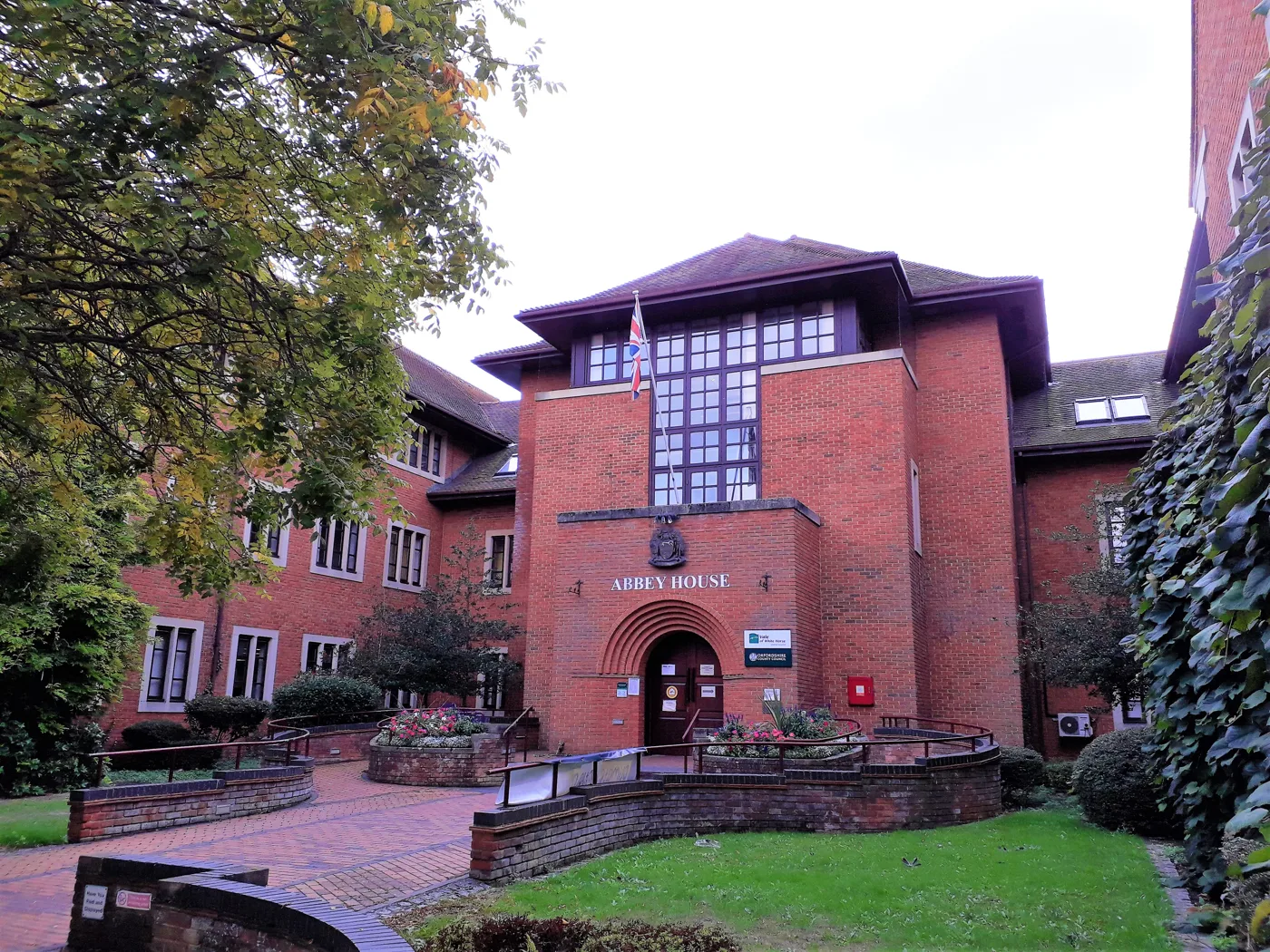

With the merger paused, the Vale may have to set budgets it expected to leave to a successor. Its reserves plan overshoots its own limit by £754,000 next year.
Vale of White Horse councillors may have to consider cutting services to balance next year’s budget. The council had expected to leave those choices to whichever new council replaced it. The pause on local government reorganisation means it now expects to be around for longer.
That is the warning in a budget-setting report from the council’s finance director. It goes to Cabinet on Friday 9 October. Cabinet is only asked to note it; no decisions are taken on Friday.
Why the pause matters for the budget
Until September, 2027/28 was expected to be the Vale’s last budget. A new Ridgeway Council was due to take over most of the district on 1 April 2028. On 7 September the government paused that decision.
The report now says it is “most likely” the Vale will still exist in 2028/29 and will have to set a budget for that year too. It does not rule out the original 2028 changeover, or a date later than April 2029.
That changes the approach. The report says big decisions on service levels were expected to fall to the successor council. “The fact that the council may now exist beyond 2027/28 changes that,” it says. Depending on how the numbers come out, “decisions on services may need to be made by Vale in the run up to LGR”.
The gap in the reserves
Every year of the Vale’s current financial plan is balanced by drawing on reserves. In February the council set itself a ceiling: it should not use more than 10% of its general fund balance in a year.
The February estimates already broke that ceiling from 2027/28, and the gap grows each year:
| Year | Estimated use of reserves | 10% ceiling | Over the ceiling |
|---|---|---|---|
| 2027/28 | £3,622,000 | £2,868,000 | £754,000 |
| 2028/29 | £4,638,000 | £2,506,000 | £2,132,000 |
| 2029/30 | £5,372,000 | £2,042,000 | £3,330,000 |
| 2030/31 | £6,280,000 | £1,505,000 | £4,775,000 |
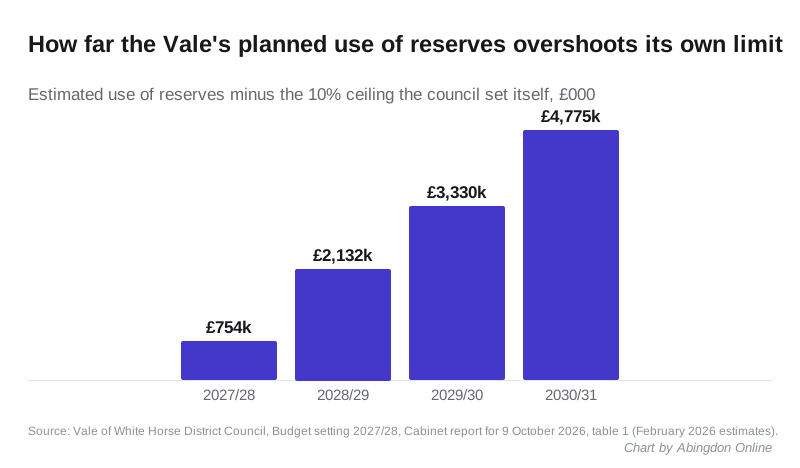
The ceiling shrinks each year because the reserves it is measured against are being spent down.
Where officers will look first
The finance team is building a “base budget”: the cost of carrying on as now. Its priorities, as listed in the report, are to:
- remove over-budgeting, where spending is overstated or income understated
- challenge long-term vacant posts and see if any can be deleted
- review discretionary fees and charges
- review spending that is not a legal duty or in the Council Plan
Senior managers will then draw up options. “At this stage of the budget setting process members will need to consider whether service reductions are needed,” the report says.
Cabinet could choose to break the 10% rule. Only full council can agree that, and the report warns it would likely affect the finance officer’s formal statement on whether the budget is robust and the reserves adequate.
The money coming in
The report assumes council tax rises by the maximum £5 a year allowed without a referendum. It also assumes the number of homes paying it grows by 1.8% a year.
| 2026/27 | 2027/28 | 2028/29 | |
|---|---|---|---|
| Council tax | £9,949,826 | £10,432,748 | £10,938,092 |
| Revenue support grant | £4,292,025 | £3,838,036 | £3,356,634 |
| Baseline funding level | £2,933,456 | £3,000,744 | £3,061,280 |
Revenue support grant from government falls by more than £935,000 over the two years. The council gets no transitional protection. Other pressures named in the report:
- the 2026/27 pay award, budgeted at 3% but calculated at 3.8% and still under negotiation with UNISON
- a £250,000 vacancy saving the council has not been able to hit, because staff are staying
- interest rates: a one percentage point change could move investment income by more than £1 million a year
A separate £3 million is set aside in reserves for the cost of reorganisation itself.
What happens next
- October and November: officers challenge budgets line by line; councillors review the capital programme, including schemes not yet started, which “can be paused or removed”.
- Mid-November to mid-December: Cabinet members review their own budgets.
- 24 December: base budget work due to finish.
- December: a second report to Cabinet with the funding settlement, if known, and options.
- February 2027: the final budget goes to Scrutiny, Cabinet and full council.
What it means for you
- Your council tax bill: the plan assumes the Vale’s share rises by £5 a year on a Band D home. See Abingdon council tax bands for the current figures.
- Services and charges: nothing changes yet. Discretionary charges are under review, and the December report should show what is being considered.
- Have your say: anyone can register to speak at Cabinet by emailing democratic.services@southandvale.gov.uk by noon on the working day before the meeting.
Have your say